November 16, 2026 · flower · craft
Learn how to cure cannabis properly: the jar method, quality checks by smell and snap, and storage tips. Shop fresh small-batch cured flower from our menu.
What Is Cannabis Curing, and How Can You Tell Flower Was Cured Well?
Curing is the slow, sealed-container stage that follows drying cannabis flower. It draws out the last trace of moisture and lets leftover chlorophyll break down, which softens the harsh, grassy edge that drying alone leaves behind. Knowing how to cure cannabis well, and spotting when someone else didn't, starts with these basics.
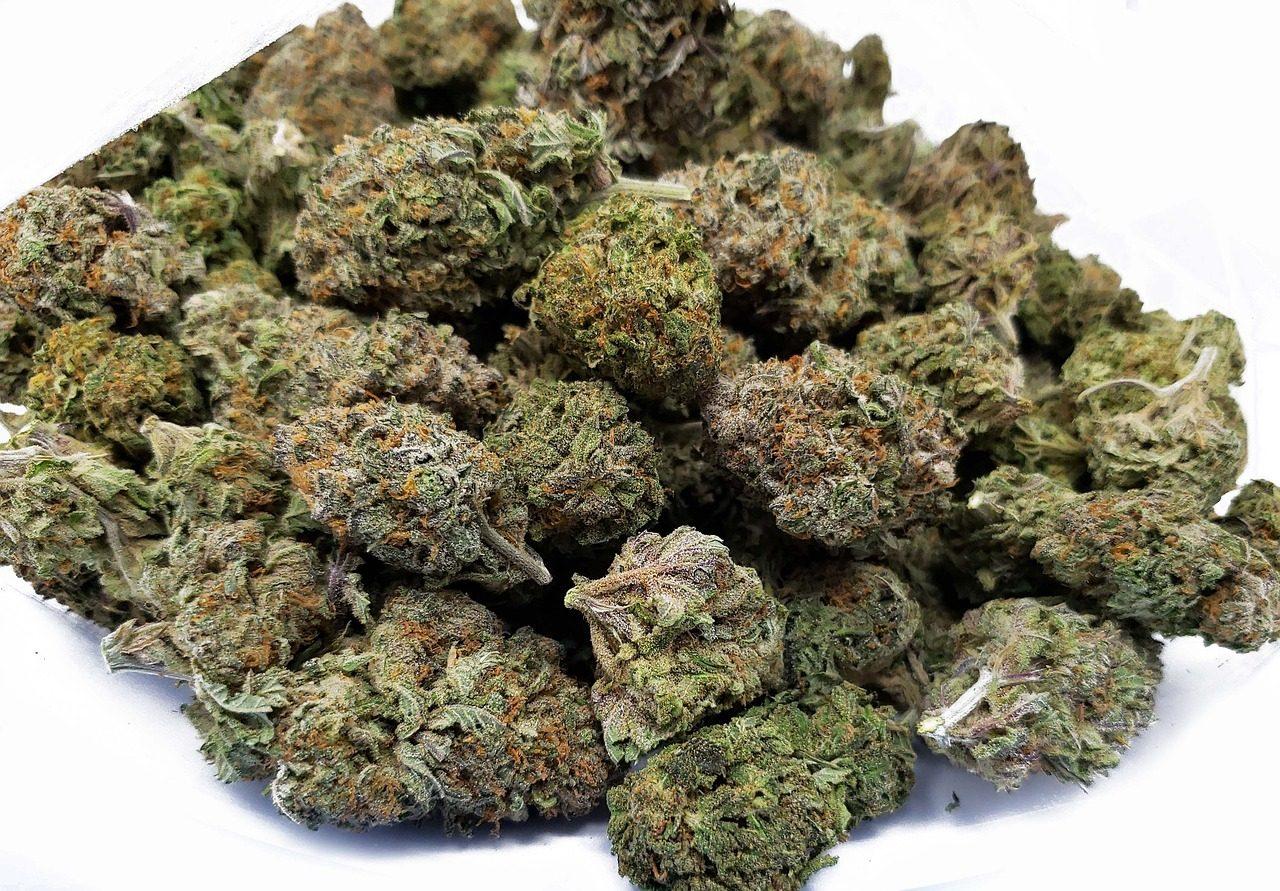
Flower that went through a full cure snaps cleanly when you bend a small stem, rather than staying soft and bendable. It also smells clean and true to its own aroma, not like fresh-cut hay or grass.
This matters whether you are curing a harvest at home or simply deciding what to buy. The same checks, smell, feel and snap, tell you whether the cure was done right either way.
Drying Comes First, Curing Comes After
Drying happens right after harvest, before curing starts. Growers hang or rack the cut flower until the outside feels dry to the touch, which pulls out surface moisture quickly.
Curing is a separate step that follows drying. Once the flower is dry, it moves into sealed containers for a slower stage that finishes removing moisture trapped deeper inside. That stage also breaks down chlorophyll and sugars, and lets the flower's own terpenes, the compounds behind its smell and flavor, come through more clearly. That shift is what turns a harsh, grassy smell into a smoother one.
The order matters: skipping proper drying and sealing flower too soon traps extra moisture inside, which raises the risk of mold during the cure. The next section covers why keeping moisture in check matters for both safety and quality.
Why Curing Matters: Mold Prevention and Cannabinoid Preservation
Water activity is a measure of how much moisture in flower is available for mold and other microbes to use. Flower with water activity above 0.65 can create conditions that favor mold and other microbial growth.
The Massachusetts Cannabis Control Commission requires every licensee to test products for cannabinoid profile and contaminants of concern, including mold. The Commission has also found products exceeding acceptable yeast, mold and coliform limits through compliance testing it ordered.
The Commission issued this alert in February 2025, and rules can change, so confirm current testing requirements with the Commission before you rely on them. That record is one reason the drying and curing stage deserves close attention, not a mark against any single brand.
How Cannabis Is Cured: The Jar-and-Burp Method
To cure flower this way, move the dried buds into sealed glass jars that are mostly full. Keep the jars somewhere cool and dark, away from direct light and heat. Open each jar for a few minutes every so often to let trapped air escape, then reseal it.
Burp more often in the first days of the cure, then taper off as curing continues. There's no verified source for an exact burp frequency or jar-fill percentage, so none is given here.
A study on cannabis drying methods found that curing in large, manually ventilated containers can take two to three weeks to remove leftover moisture. The same study found that controlled atmosphere chambers cut combined drying and curing time by at least 60% versus traditional methods. Results will vary by setup, since this study measured specific equipment, not a home jar cure.
How to Monitor the Cure: The Snap Test and Trichome Check
The snap test is a quick, hands-on check while you're curing. Bend a small stem between your fingers: a properly cured stem snaps cleanly rather than folding over. A stem that still bends needs more time in the jar. One that snaps too easily or crumbles to dust has dried past the point you want.
Trichomes are the small, crystal-like structures that cover the surface of the flower. On a well-handled, properly cured bud, they should look intact, standing up rather than knocked flat or rubbed off. Rough handling during an unfinished cure can strip trichomes away, which is worth noting when you check flower closely.
The ASTM D8197 standard sets an acceptable water activity range of 0.55 to 0.65 for dry cannabis flower, to protect quality and microbial safety. Below 0.55, flower becomes more prone to physical damage and breakage during handling.
That lab standard backs what the snap test shows by feel: flower that snaps too easily or crumbles has likely dried past that range. Read more in this industry explainer on the cannabis water activity standard.
How to Tell Flower You're Buying Was Cured Well
You can judge flower at the counter the same way a grower judges a cure, without growing anything yourself. Most curing advice online is written for the person growing the plant, not the person buying the finished jar. This checklist works from the buyer's side instead.
| What to check | Good sign | Avoid buying if... |
|---|---|---|
| Smell | Clean and full of the strain's own character | Hay-like, sour or sharp like ammonia |
| Texture | Springy when gently squeezed | Wet or sticky, or dry enough to crumble |
| Snap | A small stem or piece of flower snaps cleanly | The stem just folds over without snapping |
A short, curated menu lists small-batch flower from Massachusetts growers, pre-rolls and edibles. The company behind that menu curates what it carries rather than growing it. A menu built this way is worth checking against the standard above before you order. It runs from a delivery-only depot in Clinton, MA, with no storefront to visit.
See How We Pick the Flower We Carry for the fuller version of this standard.
Storing Flower After You Buy It
Store cured flower in an airtight container, away from direct light and heat. This protects the moisture balance the cure already set.
Keep containers sealed and store them away from damp spots. Trapped humidity can push water activity back toward the range that favors mold, as explained above.
Edibles need separate handling. Seal them, keep them away from heat, and store them out of reach of anyone under 21. For dosing and storage tips suited to edibles, see Start Low, Go Slow: An Honest Edibles Primer.
Frequently Asked Questions
What Happens If You Don't Cure Cannabis?
Skipping the cure leaves flower holding extra moisture and chlorophyll, giving a harsher, grassier smell and taste than flower that was cured properly. That trapped moisture also keeps water activity above the level that favors mold and other microbial growth. The result is flower that is harder to store safely.
Does Cannabis Get More Potent After Curing?
Curing does not raise cannabinoid content. It preserves the cannabinoid levels already in the flower instead of increasing them. The process mainly changes the flower's aroma, flavor and smoothness, as leftover chlorophyll and trapped moisture break down slowly inside the sealed jar.
How Do You Cure THCA Flower?
THCA is the raw form of the cannabinoid printed on a lab label, before heat turns it into its active form. Curing THCA flower follows the same jar-and-burp process described earlier. It changes the flower's smell and feel, not the raw-to-active conversion, which happens with heat, not time.
Order Cured, Curated Flower With Confidence
Now that you know what a good cure looks, smells and feels like, use that same standard when you choose where to order from. Delivered, Inc. curates a short menu of small-batch flower, pre-rolls and edibles from Massachusetts growers rather than growing its own. Its own W-2 drivers bring that order to your door. Shop the Menu to see what's cured and ready for delivery today.